Practical Tips for Enhancing Digital Communication in Neighborhoods
In today's fast-paced digital landscape, effective communication within neighborhoods is essential for fostering strong community ties. This article offers practical insights into enhancing digital communication approaches that can empower residents and promote connection.
Understanding the Basics of Digital Communication
Effective digital communication is more than just sending messages. It requires an understanding of how technology can enhance interactions within communities. Research indicates that when neighborhoods adopt digital communication platforms, they often see an increase in community engagement. For instance, neighborhoods that utilize social media groups report a 30% boost in participation in local events.
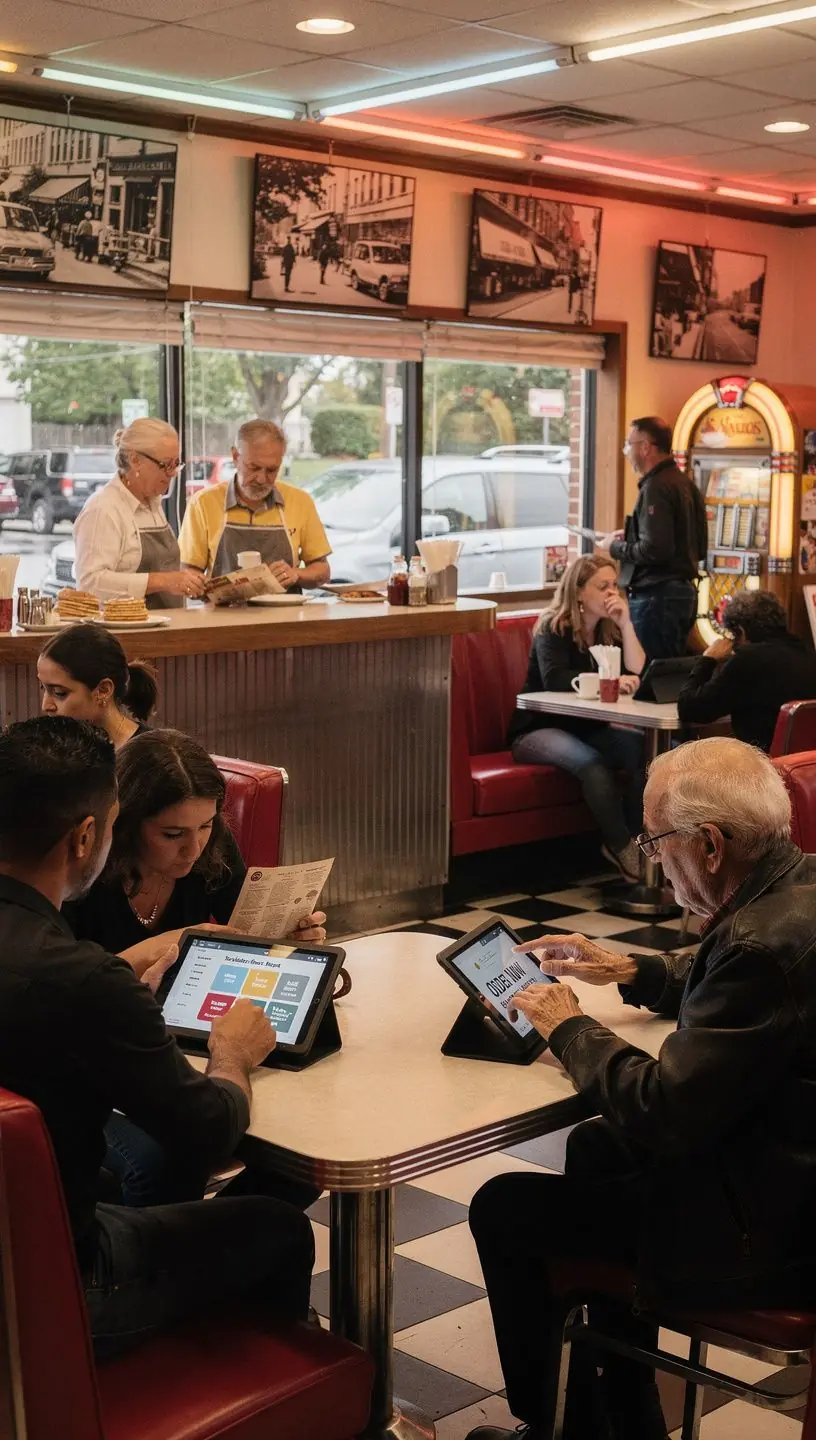
"Communities that embrace digital communication tools frequently experience enhanced social cohesion and collaboration." - Community Development Expert
Practical Applications for Neighbors
Implementing effective digital communication strategies often involves a few key steps:
- Establish a Community Platform: Consider setting up a dedicated online space for residents, such as a neighborhood-specific social media group or messaging app. This creates a centralized location for sharing information and fostering discussions.
- Encourage Information Sharing: Promote the sharing of news, events, and local resources among residents. Studies show that communities that actively share information see a marked improvement in resident satisfaction and connectedness.
- Incorporate Feedback Mechanisms: Enable residents to provide feedback on community issues, events, or suggestions for improvements. This can be done through digital surveys or comment sections, allowing for a more inclusive decision-making process.
Addressing Challenges and Limitations
While enhancing digital communication can yield significant benefits, it's essential to acknowledge that not all residents may have equal access to technology. According to a report by the Pew Research Center, about 27% of adults in the U.S. do not use social media, primarily due to lack of interest or understanding. Therefore, it is important to:
- Provide alternative communication methods for those less comfortable with technology, such as community bulletins or in-person meetings.
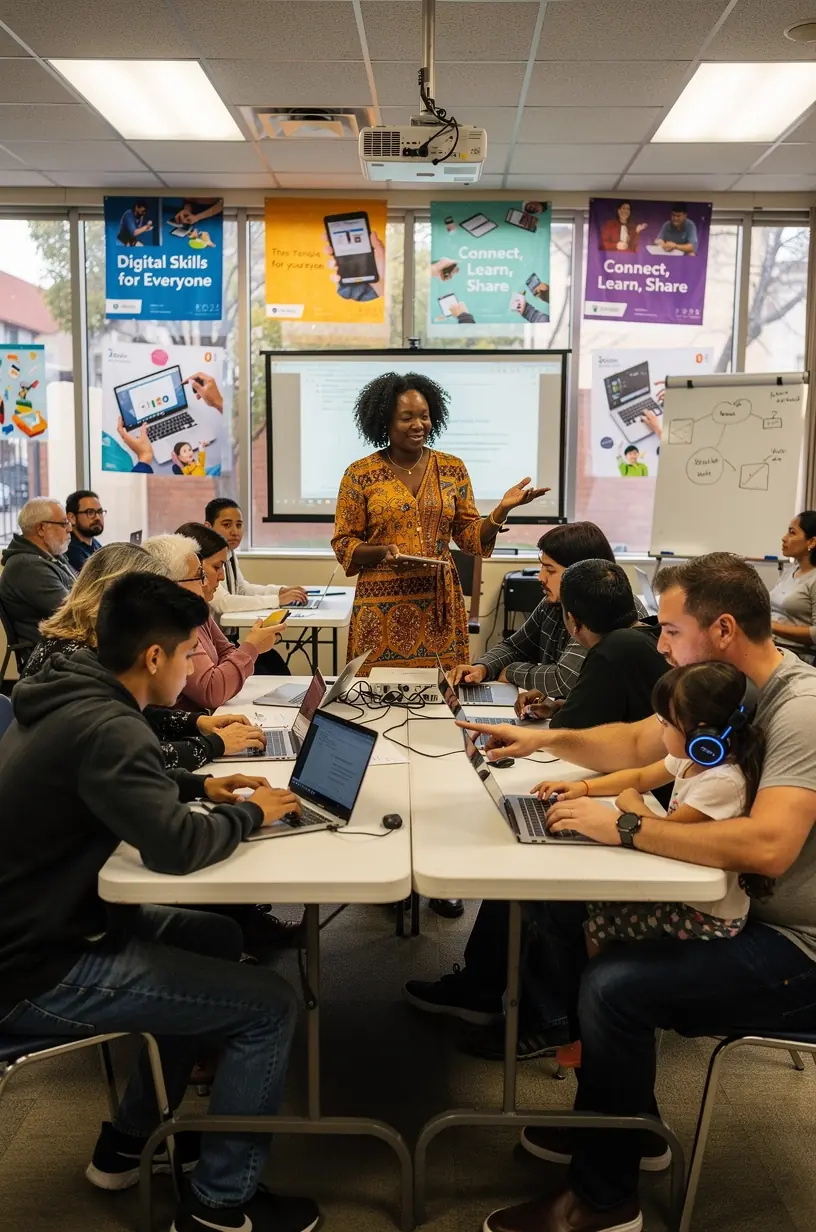
- Offer informal sessions where tech-savvy residents can assist others in navigating digital platforms, fostering a sense of community support.
- Recognize the time commitment required to engage in digital communication effectively. Building a connected community typically takes consistent effort over several months.
Conclusion
Enhancing digital communication within neighborhoods is a practical step toward building stronger, more connected communities. By implementing community platforms, encouraging information sharing, and addressing challenges, neighborhoods can foster an environment that values collaboration and connection. While the process may take time and effort, the potential benefits for community engagement and satisfaction are significant.