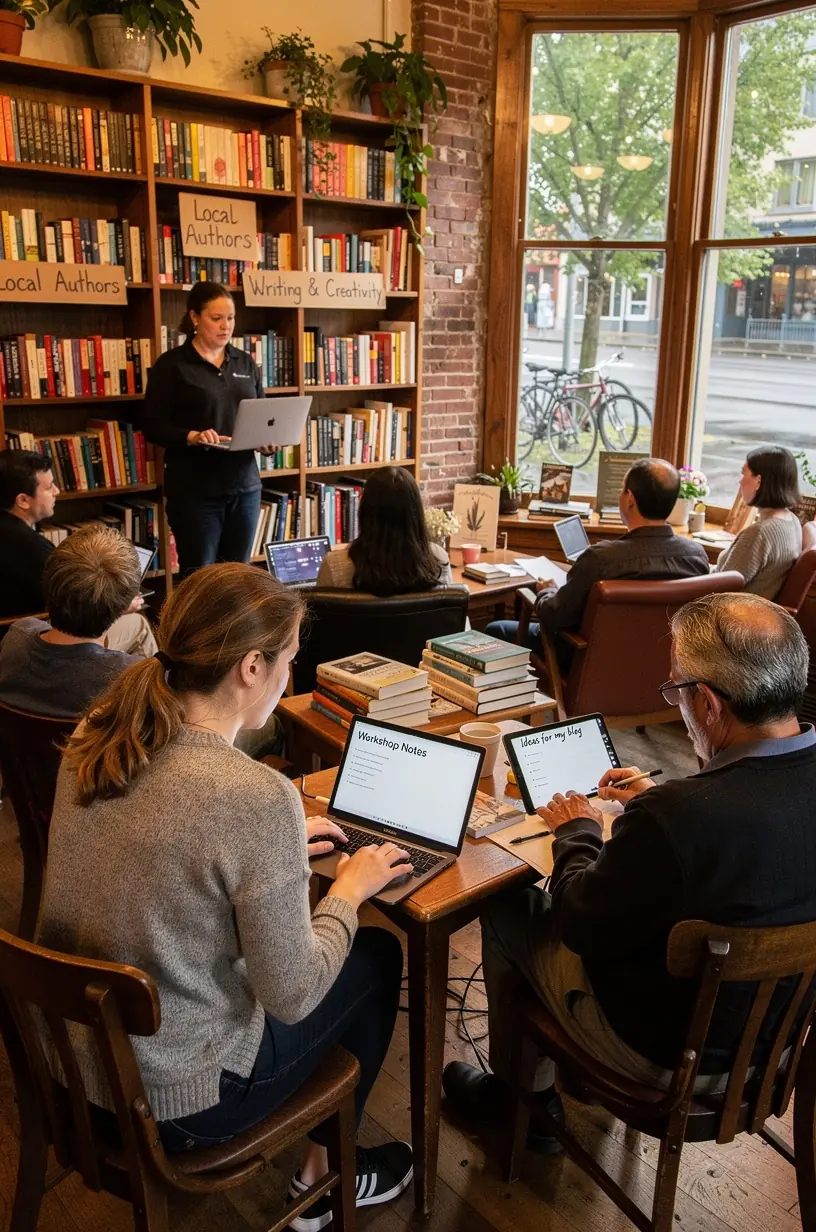
Understanding the Impact of Remote Work on Communities
The shift to remote work has transformed local communities across the United States. This article explores the multifaceted effects of this transition, providing insights into economic, social, and infrastructural changes.
The Rise of Remote Work
Remote work, once a rare option, has become a norm for many industries, particularly following the COVID-19 pandemic. According to a report by the Pew Research Center, approximately 20% of U.S. workers are currently engaged in remote work, a significant increase from pre-pandemic levels. This shift has led to notable changes in how communities function and interact.
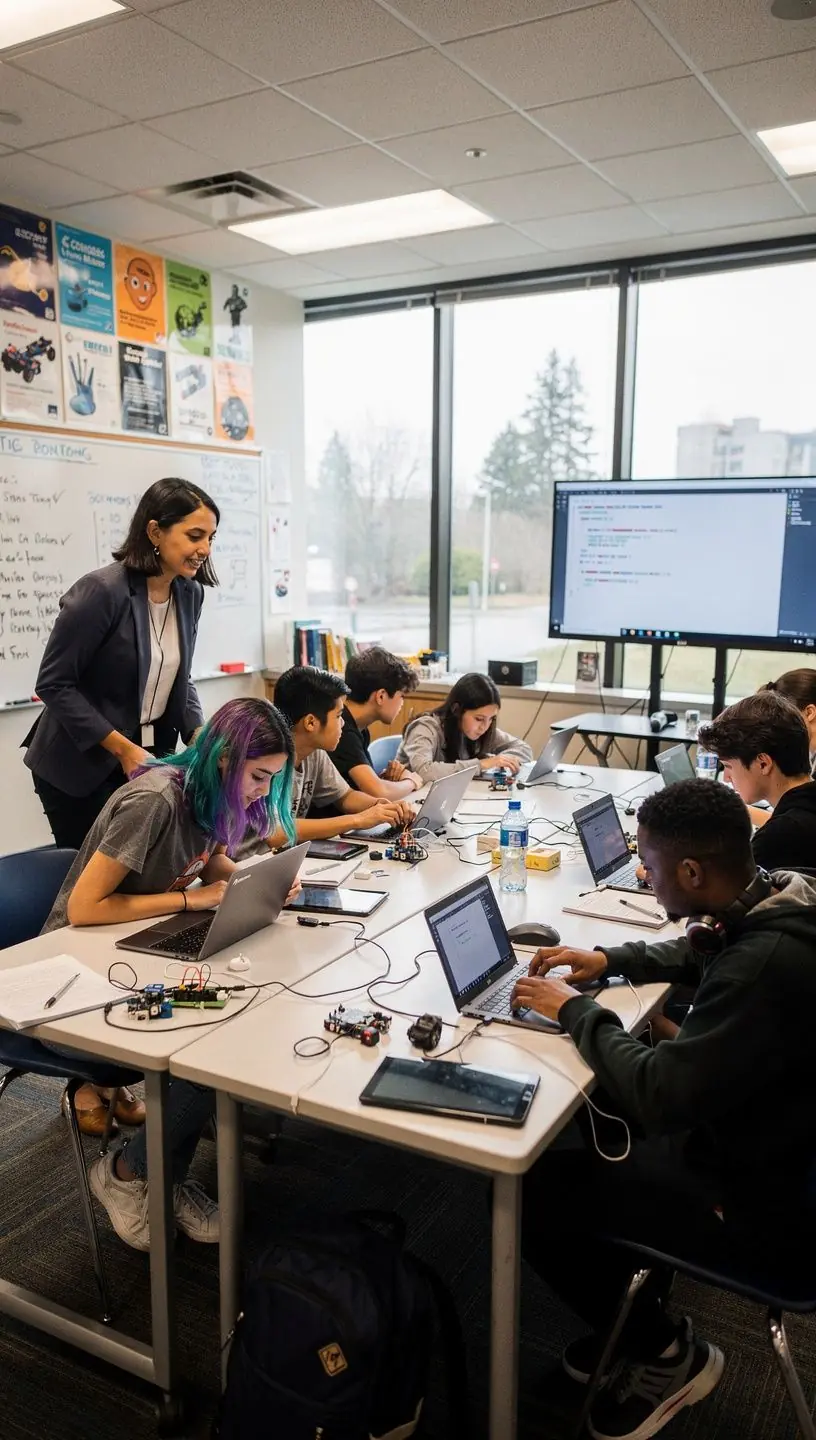
"Many experts agree that remote work can enhance work-life balance, offering employees greater flexibility." - Industry Analyst
Economic Shifts in Local Communities
As remote work becomes more prevalent, its economic impacts are evident. Communities typically experience a shift in local spending patterns. For instance, with fewer people commuting, there is often a decreased reliance on local cafes, public transport, and office space. Conversely, some local economies may benefit as people invest in home offices and technology upgrades.
- Changing Local Business Landscape: Local businesses that cater to commuting professionals, such as cafes and dry cleaners, may see a decline in patronage. Alternatively, home improvement stores and online retailers may experience growth.
- Real Estate Market Dynamics: Remote work has led to an increase in demand for housing in suburban and rural areas, as individuals seek larger living spaces away from urban centers. Research indicates that homes in these areas have appreciated significantly over the past few years.
Social Dynamics and Community Engagement
Remote work also impacts social interactions and community engagement. While some individuals report increased productivity when working from home, others miss the face-to-face interactions that occur in traditional office settings. A Harvard Business Review article suggests that remote work can lead to feelings of isolation among workers, which may affect mental health and community cohesion.
"Experts recommend fostering virtual connections to mitigate feelings of loneliness associated with remote work." - Psychologist
Infrastructure and Technology Adoption
The rise of remote work has necessitated improvements in local infrastructure and technology. Communities are increasingly investing in high-speed internet access, as reliable connectivity becomes essential for remote workers. Studies show that areas with robust internet services often have higher rates of remote work adoption and economic resilience.
- Internet Access Initiatives: Many local governments are prioritizing broadband expansion to ensure that all residents can work effectively from home.
- Community Collaboration: Co-working spaces are emerging in suburban areas, allowing remote workers to have a dedicated office environment while still benefiting from community engagement.
Conclusion
The transition to remote work is reshaping communities in the U.S. in various ways. Understanding these impacts allows local leaders and residents to adapt effectively. While challenges such as economic shifts and social isolation arise, there are also opportunities for growth and innovation. As remote work continues to evolve, communities must remain agile and responsive to these changes to foster a thriving environment for all.
Learn More