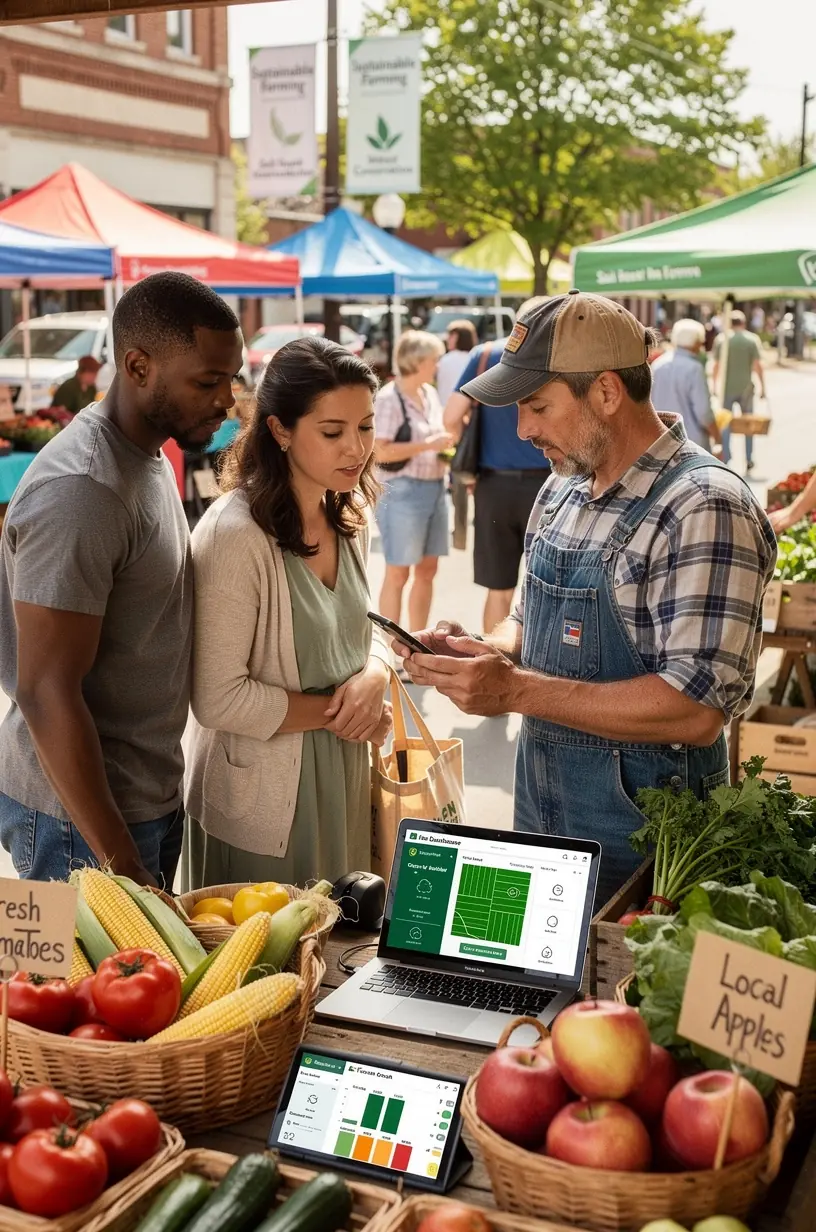
How Community Gardens Use Technology for Sustainability
Community gardens are increasingly adopting technology to enhance sustainability practices. This article explores various technological advancements being utilized in these gardens and how they contribute to sustainable community living.
Understanding the Role of Technology in Community Gardens
Community gardens often serve as vital green spaces in urban environments, not only providing fresh produce but also fostering a sense of community. Integrating technology into these gardens can lead to improved efficiency and sustainability. According to research by the American Community Gardening Association, leveraging technology can significantly enhance the management and productivity of community gardens.
"Integrating technology into community gardening practices has resulted in more sustainable food systems and enhanced community engagement." - Experts from the American Community Gardening Association
Technological Innovations in Community Gardens
Several innovative technologies have emerged that support the sustainability efforts of community gardens:
- Smart Irrigation Systems: These systems utilize sensors and weather data to optimize water usage. Research indicates that such systems can reduce water consumption by up to 30% in similar agricultural contexts.
- Soil Sensors: Soil sensors provide real-time data on soil moisture and nutrient levels. This information helps gardeners make informed decisions about watering and fertilization, typically leading to healthier plants and improved yield.
- Mobile Apps: Various mobile applications help manage garden tasks, track plant growth, and connect gardeners with one another. Studies show that communities that use such platforms often report higher levels of engagement and knowledge sharing.
Implementing Technology: Considerations and Best Practices
While technology offers numerous benefits, it is important to consider several factors when implementing these tools in community gardens:
- Assessing Community Needs: Before introducing any technology, it is essential to assess the specific needs and preferences of the community. This ensures that the chosen solutions will be effective and widely adopted.
- Training and Support: Providing adequate training on how to use new technologies can significantly affect their success. Many users report challenges when first using smart tools, so ongoing support may be beneficial.
- Budget Considerations: Technology can sometimes be an investment. Evaluating the cost versus the potential benefits is crucial. Often, community gardens can start small and scale their technological investments as they see positive results.
Conclusion
Incorporating technology into community gardens can foster sustainability and enhance community involvement. By leveraging smart irrigation systems, soil sensors, and mobile applications, community gardens can effectively contribute to a more sustainable food system. However, it is important to approach technology implementation thoughtfully, considering community needs, training, and budget constraints. As the trend of digital transformation continues, community gardens that embrace these innovations can create lasting positive impacts on their local environments.
Learn More