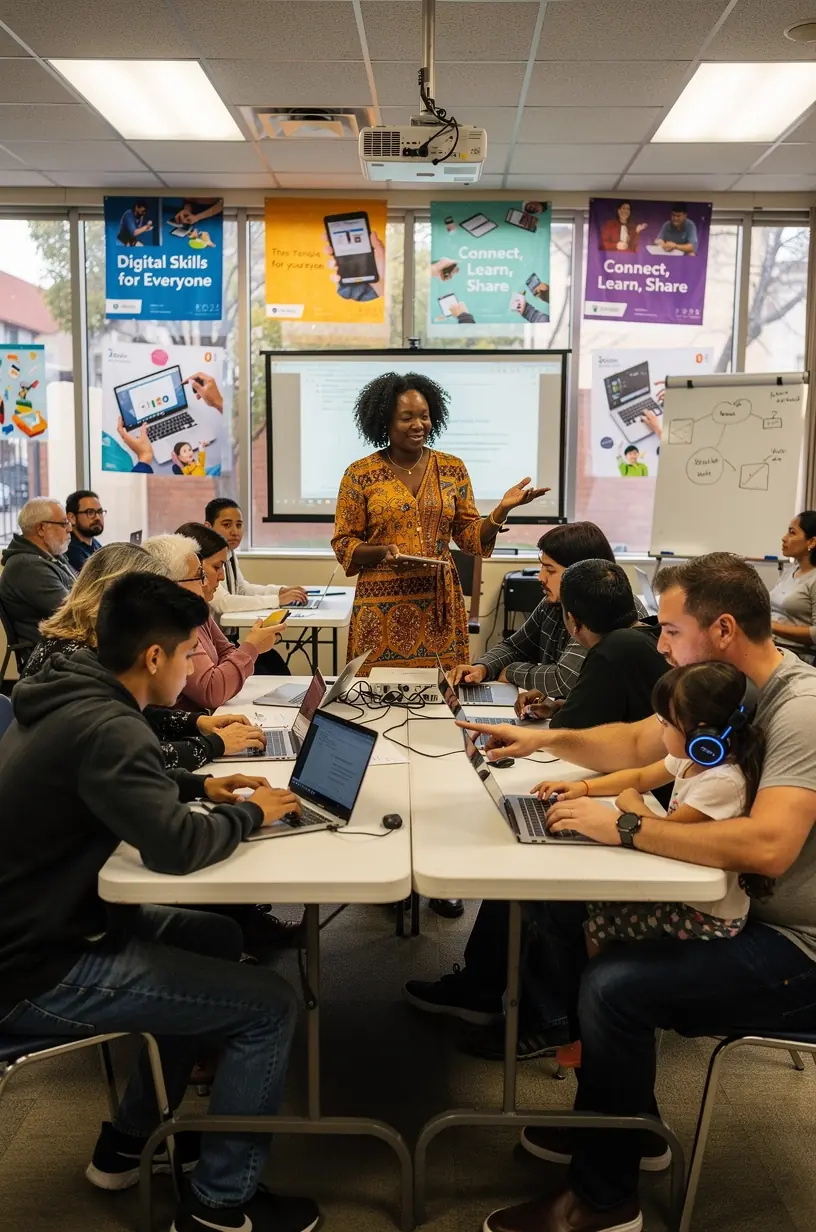
How to Foster Tech-Driven Collaboration Among Local Groups
In an age where technology plays an increasingly vital role in community engagement, understanding how to foster tech-driven collaboration is essential. This article explores effective strategies to facilitate collaboration among local groups through the adoption of technology.
The Importance of Collaboration
Collaboration within local communities often leads to improved outcomes, allowing individuals and organizations to pool resources and knowledge. According to research from the National Institute for Community Empowerment, collaborative efforts can enhance community resilience and innovation.

"Research indicates that communities that prioritize collaboration through technology experience a 30% improvement in project success rates." - Community Development Expert
Strategies for Fostering Collaboration
To effectively promote collaboration among local groups, consider the following strategies:
- Identify Common Goals: Begin by facilitating discussions to determine shared objectives. This foundational step helps align efforts and establishes a clear purpose that can motivate participation.
- Encourage Open Communication: Implement platforms that promote transparent communication. Research suggests that organizations utilizing collaborative platforms report higher satisfaction rates among participants.
- Utilize Collaboration Platforms: While many community groups often depend on traditional communication methods, integrating digital tools can significantly enhance efficiency. Studies show that communities using project management software can accelerate progress by up to 40%.
- Provide Resources for Learning: While adopting new technologies can be daunting, providing resources or access to educational materials can create a more inclusive environment. Experts recommend a gradual approach, where groups start small and scale as they become more comfortable with new tools.
Challenges to Overcome
While fostering tech-driven collaboration presents numerous benefits, there are challenges to be aware of:
- Understanding Technology: Not all community members may have the same level of tech-savviness. It is essential to acknowledge that some individuals may require more time to adapt, typically taking a few weeks to gain confidence in using new systems.
- Resource Allocation: Implementing new technology often requires dedication and investment. Communities should consider outlining a clear budget and timeline for the adoption process.
- Building Trust: Collaborative efforts can sometimes falter due to lack of trust among group members. Establishing norms for communication and interaction can help mitigate this issue, as noted by social interaction researchers.
Conclusion
Fostering tech-driven collaboration among local groups can lead to enhanced community engagement and success in achieving collaborative goals. By implementing strategies that include identifying common objectives, encouraging open communication, and utilizing collaboration platforms, communities can overcome challenges and thrive. Remember that while technology can significantly aid collaboration, it is essential to remain patient and supportive during the transition process.